Our curriculum encourages curiosity and experimentation. The canvas of our co-curricular activities is large, varied and ‘hands on’ with productive, creative experiences. Our student clubs facilitate student leadership in very concrete terms. Our tradition of recognizing academic and cultural excellence through Medals motivates our students towards skill-based proficiency. We have proudly burgeoned into a multi-disciplinary institute providing an enriching range of activities to nurture talents in tune with the challenges of modern times.
The participation helps students in emotional development, social skills development, and overall personality development.
Art and Craft
Art and Craft as a subject of curriculum is generally taken for granted as an entitlement for children in formal education. In the context of formal education, the subject supports personal, social, moral, spiritual, cultural and creative development of the children and enables them to explore visual tactile and other sensory experience to recognize and communicate ideas and meanings. These opportunities enable them to work with traditional and various new mediums so that they develop confidence, competence, imagination and creativity.
This subject introduces children to a range of intellectual and practical skills as well as helps them to learn the use of different tools, materials and machines. It provides children an opportunity to think imaginatively and creatively and even develop confidence in other subjects too. Moreover, it works as a therapy that can yield lifelong benefits in health and well-being. Children may find it enjoyable, motivating and helpful in developing a positive attitude to school and life beyond formal education.
Children are naturally curious. They explore, observe and imitate things around them. Making pictures or modelling things helps children observe the subject matter of the real-world scene they are drawing from more closely, thus making them more observant to finer details in the world around them. It also helps children to learn problem-solving skills as they grapple with trying to create a three-dimensional scene from the world around them on a two-dimensional page.
DANCE AND MUSIC
Always been the favourite curriculum to students, in this the student explores the depth and meaning of expressive art, it helps students to understand the different culture and religions too.
Indian Vocal Music – In this teacher teaches the basics of Classical Ragas, Semi Classical songs, Patriotic songs, folk songs, etc.
Indian Instruments – In this student learn Casio, Guitar etc. Basically students learn different music pieces (Solo and Orchestra).
Indian Rhythm – In this student learn Tabla, Dholak, Congo, and Banjo etc. Different Indian Taals (Tin Tal, Jhap Tal, Dadra, Keherba) etc. are taught.
Indian Dance- As far as Indian Dance is concerned students are taught the basics of Classical (Kathak, Bharatnatyam, Kuchipudi and Odissi) dance styles. Folk dances and Creative compositions are also taught.
Western Music- There are two parts in Western Music,they are Vocal and Instrumental. In vocal, students learn both solo as well as group songs and in Instrumental they learn Casio and Guitar.
Western Dance- In Western Dance a variety of dance forms are taught- Contemporary, Hip-hop, Jazz, etc. Sometimes students also learn dances based on Bollywood songs.
SPORTS
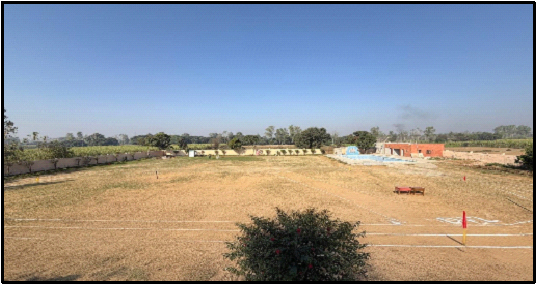
- Athletics
- Basketball
- Badminton
- Cricket
- Chess
- Carrom
- Football
- Kho-Kho
- Karate
- Swimming
- Skating
- Table Tennis
- Volley Ball
- Yoga